
Piercing Aftercare
Your complete guide to cleaning, healing, and caring for your new piercing — straight from our professional piercers.
Congratulations on your New Piercing
It is important to let a new piercing rest while it heals, and avoid unnecessary touching. A healthy lifestyle strengthens the immune system, so ensure a varied diet, regular sleep and plenty of fluids.
It is normal for the area to be tender and slightly red. During the first one to two weeks, you may also experience some swelling, bruising, and light to moderate bleeding. A cold compress, such as a clean cloth dampened with cold water, can help relieve discomfort and reduce swelling. Avoid applying ice cubes directly to the skin, as this can cause frostbite.

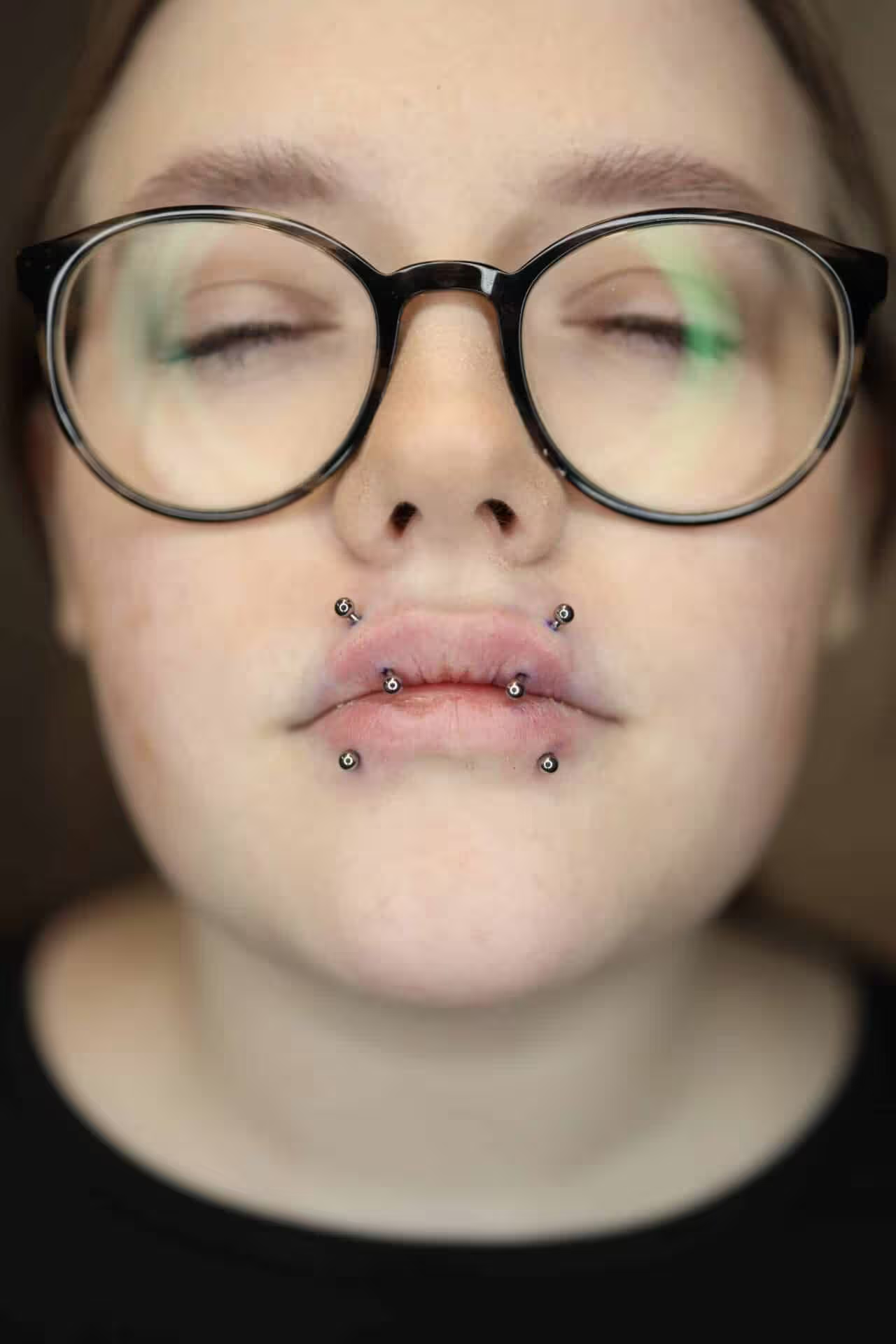

Cleaning your New Piercing
During the healing process, a piercing will often ooze a white or yellowish fluid. This can cause scabs to form on the jewelry, which should be removed once or twice a day during the initial healing period. The jewelry should not be removed for cleaning, and there is no need to twist or rotate it to clean the piercing itself.
It is recommended to shower daily and rinse the piercing well with lukewarm water. This makes it easier to dissolve and remove crusts that have formed around the jewelry. We recommend using sterile saline solution to clean your piercing. Always wash your hands thoroughly before cleaning.
Spray or drip the saline solution onto a clean Q-tip and gently clean around the jewelry. Avoid cleaning too hard or too often. After cleaning and showering or bathing, the area should be gently dried with a clean Q-tip to prevent moisture buildup.
1. Cleaning Instructions for all Piercings

Wash your hands thoroughly with antibacterial soap before touching your piercing.

Use a saline solution or mild, fragrance-free soap to clean around the piercing area twice a day.

Carefully remove any crust or fluids with a clean cotton swab or cotton pad.

Avoid rotating or twisting your jewelry, as this can disrupt the healing period and cause irritation.
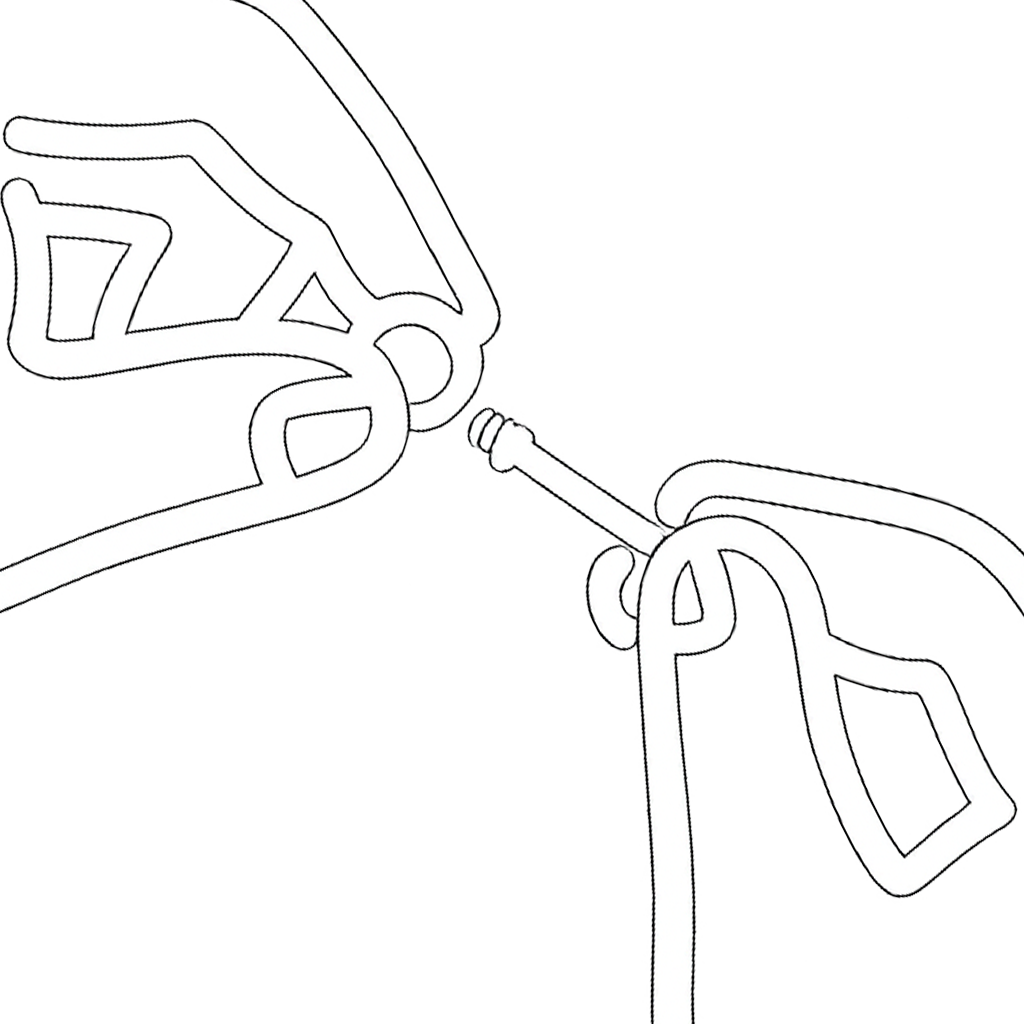
Tighten the balls on poles and horseshoes by turning clockwise to tighten, without twisting the pole itself.

Allow the piercing to air dry or gently pat it dry with a clean paper towel. Avoid using towels or cloths that may contain bacteria.
2. What to Expect and What is Normal Afterwards

Initially, there may be some local bleeding, swelling, tenderness and/or bruising.
During healing, you may experience some discoloration, itching, and the discharge of an odorless, white-yellow fluid (this is not pus, which would be a sign of infection).
The fluid may form crusts on the jewelry, which will need to be removed.
The tissue may contract around the jewelry during healing.
Once the piercing has healed, the jewelry may not move freely – don’t force it. Keep the area clean.
If the piercing is not cleaned daily, an odor may develop. This is due to normal body secretions and is not abnormal.

A piercing may appear to be healed before the healing process is actually complete. This is because the tissue heals from the outside in, and the inside may still be vulnerable even if the outside looks fine.
Be patient and continue cleaning throughout the recommended healing period. Even fully healed piercings can contract or close within minutes, which varies from person to person. Therefore, do not leave the piercing without jewelry.
3. Best Practices
Wash your Hands Thoroughly
Wash your hands thoroughly with antibacterial soap before touching your piercing.

Keep the Area
Clean
Keep the area clean and covered at all times.
Ensure Clean Bedding
and Clean Clothes
Ensure clean bedding and clean clothing that comes into contact with the piercing.

Maintain
Good Health
Stay healthy and make sure you get enough sleep. A healthy body heals faster.
4. Things to Avoid

Stay away from alcohol-based cleaning products, ear piercing solutions containing benzalkonium (BZK), and harsh chemicals that can damage or irritate the skin.

Over-cleaning can also irritate your piercing. Stick to your recommended cleaning routine to avoid disrupting the healing process.

Be careful with Q-tips as they have cotton wool that can leave fibers around the piercing and trap bacteria. Opt for sterile gauze or non-woven swabs instead.
Refrain from swimming or using sunbeds for the first two weeks after getting your piercing, as submerging the piercing in water can increase the risk of infection and exposure to UV rays can delay healing.
Avoid using beauty products, creams, or cosmetics near your piercing, as they may contain ingredients that can irritate the skin or clog the piercing site.
Protect Against Trauma and Friction
Be aware of activities that may cause trauma or friction to your piercing, such as wearing tight clothing or participating in contact sports. Protect your piercing with breathable, non-adhesive bandages if necessary to prevent irritation.
5. Signs of Infection
If proper aftercare is not followed, infection can occur. Common signs of infection are:

Increasing redness and swelling around the piercing. Persistent feeling of heat, burning or throbbing pain.

Pain or tenderness that gets worse instead of better. Abnormal discharge (yellow or green), especially if it is thick or has a bad odor.

Severe swelling or hardness around the jewelry. Fever, chills, or general feeling of illness (in more severe cases).
If you experience any of these symptoms, contact your piercer immediately or seek medical attention. Do not remove the jewelry unless instructed to do so by a healthcare professional.
6. Jewelry Information

Longer Jewelry
for Healing
Your piercer may have initially used longer jewelry to accommodate swelling.
Avoid switching to a smaller piece of jewelry before the recommended time period to prevent complications.

Rings against Bars
Rings usually take longer to heal than bars.
Follow your piercer’s recommendations for jewelry type and avoid changing jewelry too early.

Jewelry Material
We use Titanium jewelry as the recommended hypoallergenic material for all piercings.
Avoid jewelry that may cause allergic reactions or irritate the skin.
Tighten Balls to
Rods and Horseshoes
Righty-tighty:
Tighten balls to bars and horseshoes without twisting the bar to ensure secure closure.
7. Healing Times
Healing time varies depending on the type of piercing. See the following approximate healing times for different types of piercings:
Earlobes
2 to 3 months
Cartilage
4 months
Inner ear
6 months
Industrial
6 to 12 months
Nose
6 to 12 months
Septum
2 to 4 months
Eyebrow
2 to 4 months
Bridge
4 months
Cheek
6 to 12 months
Lips
3 months
Tongue
4 to 6 weeks
Smiley
4 to 6 weeks
Nipple
4 to 6 months
Navel
4 to 6 months
Fleet
4 to 6 months
Genitals
3 to 6 months
Microdermal
4 to 6 months
Surface
4 to 6 months
Ear Piercings
If you have long hair, you should keep it away from the area using hair ties or hair clips so that the piercing is not irritated by the hair being constantly pulled behind the ears.
Avoid using a mobile phone to your ear, headphones, earplugs, helmets, tight headgear and lying on your side.
Change your pillowcase often, or cover your pillow with a clean tshirt that you change daily.
Additional advice for Earlobe Piercings
We recommend waiting at least six months before changing your piercing yourself. If the piercing is still leaking fluid, you should not change your piercing, but please contact us for a follow-up appointment. Avoid changing your piercing too often at first.
Continue to keep the area around your piercing dry and clean, even after your daily cleaning routine is complete. Be careful when changing jewelry for the first 12-18 months while the piercing canal is forming.
Be Aware of Which Jewelry you Choose
Avoid silver and other unsuitable materials. Silver can contain nickel and cause irritation or allergic reactions. In addition, silver oxidizes and turns black, which in the worst case can lead to permanent discoloration of the skin around the piercing.
Implant-grade titanium and steel, as well as solid gold of good quality (not plated), are recommended. If you buy white gold, make sure it is nickel-free. Avoid dangling jewelry. The weight and shape of the jewelry can cause stretching and irritation in the piercing.
Do not leave the piercing without jewelry. The hole can contract quickly, and it can be difficult to reinsert the jewelry. If you experience problems inserting the jewelry, contact us as soon as possible so we can help you.
Oral Piercings
Buy a new toothbrush. Avoid oral contact with others, even indirectly, for example by drinking from the same bottle. Alcohol has a blood-thinning effect. Drinking alcohol during the initial healing period can lead to increased swelling and bleeding. Rinse your mouth twice a day with an alcohol-free or mild mouthwash. In addition, you should rinse your mouth with salt water or plain water every time you have had anything in your mouth or smoked.
The use of snuff is not recommended. Saltwater mouthwash: Dissolve ¼ teaspoon of pure sea salt in 2.5 dl of freshly boiled water. Saltwater has a short shelf life and should be made fresh daily. Since oral piercings often swell more than other types of piercings, the jewelry you have inserted is longer to allow for the swelling. It is important to come back after a few weeks to switch to a shorter piece of jewelry, as jewelry that is too long can irritate the piercing and damage your teeth and gums.
Drinking cold water or gently cooling the area with ice can help reduce swelling. Anti-inflammatory medications such as ibuprofen and naproxen can also reduce swelling and relieve pain. Always read and follow the instructions on the package. Once the piercing has healed, you should include the jewelry in your toothbrushing routine, as the jewelry can also collect plaque.
Genital Piercings
Avoid unprotected sex, including oral sex. This also applies if you have a regular partner.
It is not necessary to abstain from sex throughout the healing period, but be extra careful with your new piercing and let it rest for at least one month. Clean the piercing after sexual activity.
Your Piercing
We are happy to help you with jewelry exchanges, and if you buy the jewelry from us, we will exchange it at no extra cost. This way you can be sure that you get the right size and a design that best suits your piercing.
If you have any concerns about whether everything is in order or have any other questions, you are always welcome to contact us. We can check that everything is in order and, if necessary, provide advice to improve the situation.
For jewelry replacement, check-ups, or future piercings, you can call us or visit our website to book an appointment.
By following these comprehensive aftercare guidelines, you will help your piercing heal properly and minimize the risk of complications. Remember, healing takes time, so be patient and consistent with your aftercare routine. If you have any questions or concerns about your piercing’s healing progress, don’t hesitate to contact your piercer for guidance.
Good healing!