
Tattoo Aftercare
Taking proper care of your tattoo is crucial to ensuring it heals well and looks vibrant for years to come.
Congratulations on your New Tattoo
The first few weeks after getting inked are just as important as the tattoo session itself — how you treat your skin during this window directly affects how the colors settle, how sharp the linework stays, and how well your skin recovers.
Skipping or rushing aftercare can lead to fading, patchiness, infection, or even permanent damage to the design. Follow these steps closely to protect your investment and let your new tattoo heal the way it’s meant to.
Tattoo Aftercare
Instructions
Your tattoo is fresh skin trauma, and how you care for it in the days and weeks that follow plays a major role in how it ultimately looks and feels.
From keeping it clean and moisturized to avoiding sun exposure and knowing when to reach out to your artist, this guide walks you through everything you need to do — and avoid — for a smooth, healthy recovery.

1. Keep it Clean
Wash your hands thoroughly with antibacterial soap before touching your tattoo.
Gently wash your tattoo with lukewarm water and a mild, fragrance-free soap to remove any blood, ointment, or plasma.
Pat the tattoo dry with a clean, soft towel. Do not rub as this can irritate the skin.

2. Apply a thin
Layer of Ointment
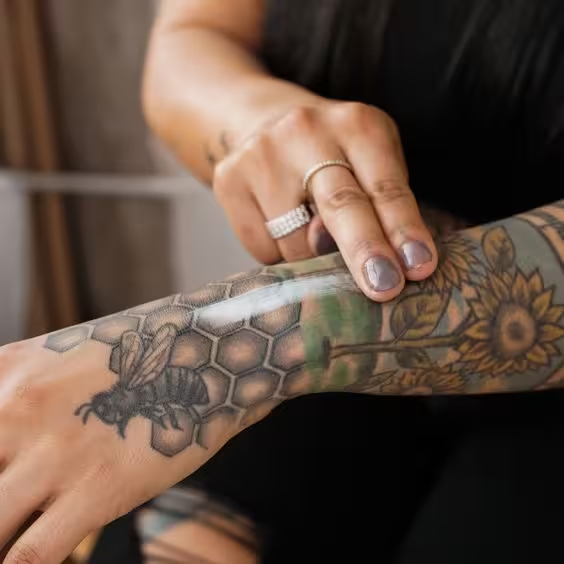
After washing, apply a thin layer of tattoo-specific ointment or a fragrance-free moisturizer recommended by your tattoo artist.
Avoid petroleum-based products, as they can suffocate the skin and delay healing.
3. Keep it Moist
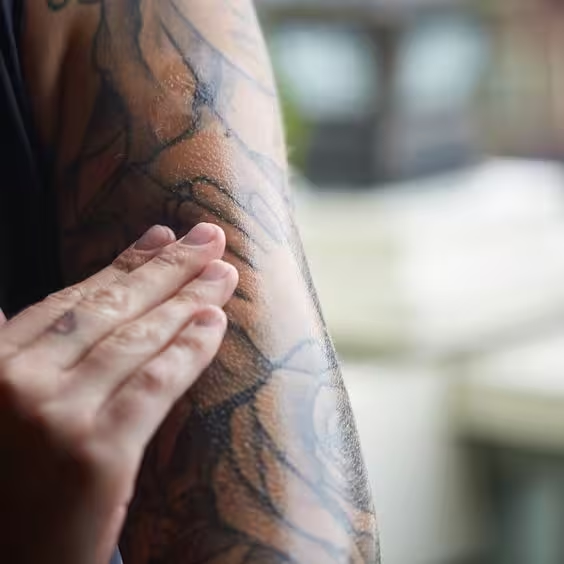
Moisturize your tattoo 2-3 times a day, especially during the first few weeks while it heals.
Use a fragrance-free, hypoallergenic lotion to keep your skin moisturized and prevent dryness and itching.

4. Avoid Sunlight
and Tanning
Protect your healed tattoo from direct sunlight, as UV rays can fade the colors and damage the skin.
If you must be in the sun, apply a high SPF sunscreen to the tattooed area. Reapply regularly, especially if you swim or sweat.

5. Avoid Soaking
Avoid swimming, soaking in hot baths, or taking long baths during the healing process.
Prolonged exposure to water can soften the tattoo and increase the risk of infection.

6. Don’t Pick
or Scratch
Resist the urge to pick at scabs or scratch your tattoo, as this can pull out the ink and lead to scarring.
Let the scabs fall off naturally on their own, and avoid wearing tight clothing that may rub against the tattoo.
7. Stay Hydrated
and Eat well
Drink plenty of water to keep your skin hydrated from the inside out.
Eat a balanced diet rich in vitamins and minerals to support the healing process and strengthen your immune system.

8. Follow up
with your Artist
Schedule a follow-up appointment with your tattoo artist to ensure your tattoo is healing properly.
They can provide further care instructions and fix any areas that may need it.

9. Be Patient with
the Healing Process
Healing time varies for each individual and depends on factors such as tattoo size, location, and your body’s ability to heal.
Be patient and follow these aftercare instructions carefully to achieve the best results.
If you experience any form of infection, such as increased swelling, redness, or colored fluid, contact your tattoo artist right away.
Following these instructions will help your tattoo heal beautifully and stay looking great for years to come. If you have any questions or concerns, don’t hesitate to contact your tattoo artist.
Tattoo Aftercare – During the Day
How quickly you heal depends on the size of your tattoo and how intricate it is.
Larger tattoos will be red and swollen longer because they cause more trauma to your skin.
You will return home from the tattoo studio with a bandage or plastic wrap over your tattoo. After a few hours, you can remove it.
You should ask your artist for specifics on how long you should wait. Recommendations will vary and may be based on the type and size of your tattoo. Some tattoo artists suggest only keeping the tattoo covered for 1 or 2 hours.
When the cover comes off, you will likely notice fluid oozing from the tattoo. This is blood, plasma (the clear part of the blood), and some extra ink. This is normal. Your skin will also be red and sore. It may feel a little warm to the touch.
With clean hands, wash the tattoo with warm water and a fragrance-free soap. Apply a fragrance-free, alcohol-free moisturizer. Remember, your tattoo needs air to heal properly.
Your tattoo will now have a dull, cloudy appearance. This happens as your skin heals. Scabs will begin to form.
Wash your tattoo once or twice a day, and use a fragrance-free and alcohol-free moisturizer.
When you wash yourself, you may notice some ink running down into the sink. This is just excess ink that has come up through your skin.
The redness should start to fade.
You will likely notice some light scabs over the tattoo. The scabs should not be as thick as the scabs you get from cutting yourself, but they will be raised. Do not pick at the scabs – this can cause scarring.
Continue to wash your tattoo once or twice a day. Apply a fragrance-free, alcohol-free moisturizer.
Don’t pick at them or try to remove them. Let them fall off naturally. Otherwise, you could pull out the ink and leave scars.
At this point, your skin may feel very itchy . Gently rub on a fragrance-free, alcohol-free moisturizer several times a day to relieve the itching.
If your tattoo is still red and swollen at this point, you may have an infection. Return to your tattoo artist or see a doctor.
In this final stage of healing, most of the large flakes will be gone and the scabs should disappear. You may still see some dead skin, but that should eventually clear up as well.
The tattooed area may still look dry and pale. Continue to moisturize until the skin looks hydrated again.
By the second or third week, the outer layers of skin should have healed. It may take 3 to 4 months for the lower layers to fully heal.
By the end of the third month, the tattoo should look as bright and vibrant as the artist intended.
Infection
A tattoo that is not properly cared for can become infected. Infected skin will be red, warm, and painful. It may also ooze pus.
Allergic Reaction
If you’re sensitive to the ink your artist used, you may develop a red, itchy skin reaction at the site. According to a 2019 study, red dyes are the most likely to cause an allergic reaction.
Trusted Source research shows that red dyes, along with blue and black dyes, are also more likely to cause non-allergic skin reactions like photosensitivity.
Scarring
Injury from the needle or tattoo can cause your body to produce scar tissue. Scars can be permanent.
Long-term tattoo aftercare tips:
Once your tattoo has healed, you enter maintenance mode. While you don’t need to take special care of it after 3 or 4 months, there are things you can do to prevent the ink from breaking down.
Tips for Long-Lasting Tattoo Aftercare
Keep it clean – Wash your skin daily with a mild, fragrance-free soap.
Stay hydrated – Drink plenty of water to keep your skin moisturized.
Watch what you’re wearing – Wear SPF clothing so the sun doesn’t fade your tattoo.
Avoid scratches, like wool, which can damage the art.
Avoid excessive weight gain or loss – Changes in weight can stretch or distort the tattoo.
Good healing!